
Bit of a dramatic title, but if I got you here it worked. I promise I will get to why our hearts were broken soon enough. There I was down on one knee, I still can’t believe she said no… completely kidding. If you don’t feel like reading about the specifics of the trip and just want to skip to why this piece is titled what it is, scroll down to “Now for the Heartbreak”.
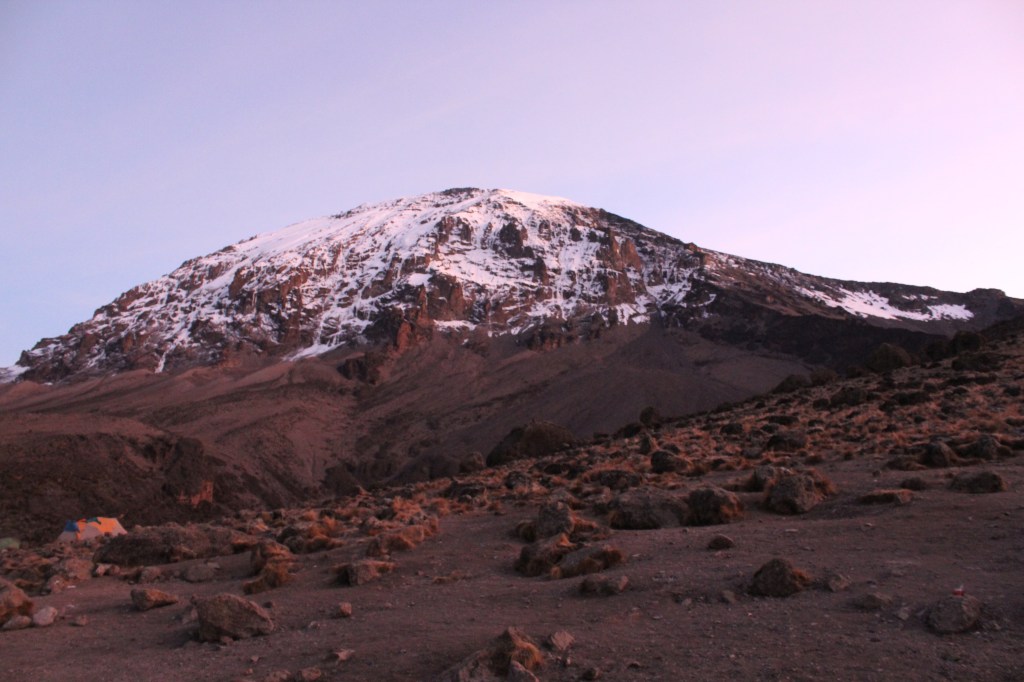
Anyway, if you have been following along with some of the other posts this past month you are now well aware that back in September, my wife and I were lucky enough to travel to Tanzania. The purpose of our trip was to make the trek up to the summit of Kilimanjaro. Since coming home, I really wanted to get a piece put together sort of documenting our trip and more importantly giving anyone planning to climb a better idea of what they are up against.

Before Departing
If you are considering Kilimanjaro I would hope that you at least have some experience with hiking and/or trekking. Anyone telling you that they’ve summited a mountain 19,000′ up with no experience and/or no training is either very gifted, very lucky, or more likely – a liar. Right from the planning phase you have to make educated decisions on the time of the year you want to trek and more importantly the route you want to take. If you go blindly into those two decisions the outcome could turn your once in a lifetime trip into a living nightmare. I am not saying you need to be an expert – the trekking company you book through will hold your hand and give you solid advice – but knowing just a little about each route and how to properly acclimate at high altitude will make your life a lot easier.
It goes without saying to do your homework in selecting a trekking company. Do not waste your time or money on a budget company that promises to get you to the top in 4 days. It will not be fun and will be punishing to your body. Slow and steady is the theme on Kili – “pole, pole” will be your motto the entire time. In the event you were wondering – we booked the VIP 8 day Lemosho with Summits Africa. They are a business to business only outfit and therefore your travel agent will have to initiate the contact with them. It is worth the extra step though. This company, their team, their leadership was absolutely next level and I trust them wholeheartedly to put together an amazing trip.
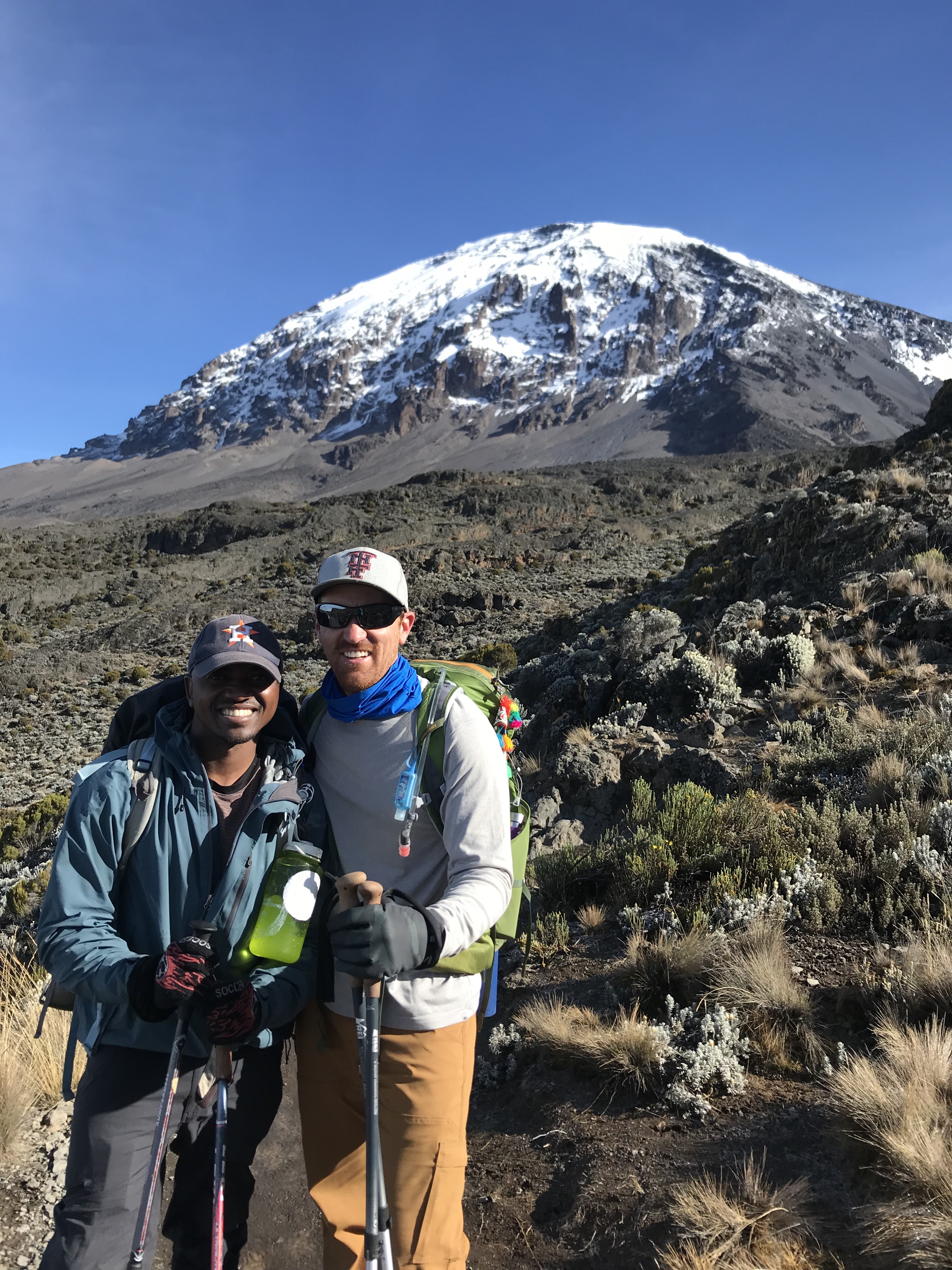
Our guide Danny 
Some of the team during a tea break
For us, we opted to climb in late September, just after the high season, and took on the 8 day Lemosho route. I can’t speak to many of the other routes, but the Lemosho itinerary offered the most time for acclimatization and the most scenic views. I also didn’t want it to be a fluff walk. I refused to spend that kind of coin and travel halfway across the planet for a pretty stroll. I made sure the Lemosho route included some of the more difficult parts of the mountain, like the famous Barranco Wall.
While the longer time to acclimate was a huge help and made life a little easier, there is a flip side. With the longer time on the mountain, you have to pack more, which means more porters, which means more money. You also have to be mentally prepared to live in a pretty tough environment for over a week. Traditional showers, as most of us know them, not included.

Wellness Check
The day after Kilimanjaro was selected as our next travel destination preparations began. For starters, this meant solid time at the gym building cardiovascular endurance and leg strength. You don’t have to go nuts, you aren’t climbing Everest. However, you should be in decent shape. 3-4, days a week with some stair master, treadmill, or bike work and you’ll be fine. It is also recommended, as we did, to do some day hikes getting your knees, ankles, and feet stretched and strengthened.
Altitude was something I was completely consumed and paranoid about. Back in 2017 when traveling to Peru, the elevation crippled me. I spent 10 days hiking in what felt like a constant hangover. I couldn’t sleep, my heart was racing, I had headaches – it sucked. Now before you call me a dumbass for booking a trip to one of the highest mountains in the world after suffering in Peru let me say something… Altitude is the ultimate equalizer with a short memory. There are people who can travel to high altitude one day without symptoms, and get crippled by it the next. People who have summited Everest have been unable to get to the top of Kilimanjaro.
My wife and I did everything we could to prepare for the altitude. We went so far as renting an altitude simulator, breathing through a complex system of masks, tubes, and balloons looking like two idiots on the couch while this massive machine hummed loudly in the dining room. I started taking high doses of Gingko Biloba a month before since I heard it helped in preventing altitude sickness. We bought heart rate monitors and pulse oximeters to measure our various levels during rest, activity, while hooked up to the machine, while sleeping. We took it to another level. Before you ask – yes – we also took Diamox while on the mountain. Did we have to go that crazy? Did it all work? Yes and no. Neither of us had a shred of altitude related sickness or symptoms while on the mountain so in that sense we did something right. We had pulse ox readings in the mid 90’s at 16,000′. Gun to my head, what is the best route to tackle and prevent altitude sickness? Take your time acclimating, drink an insane amount of water while trekking, eat like you have two assholes, and for the love of god take the drugs.
I will also recommend seeing all of your doctors before the trip. You will likely need a bunch of vaccinations before you’re allowed to travel to Africa. It’s a good time to get your heart checked, get your lungs checked, and get a full physical. Because of the remoteness of Kilimanjaro knowing that you are healthy enough will give you peace of mind and one less thing to worry about.
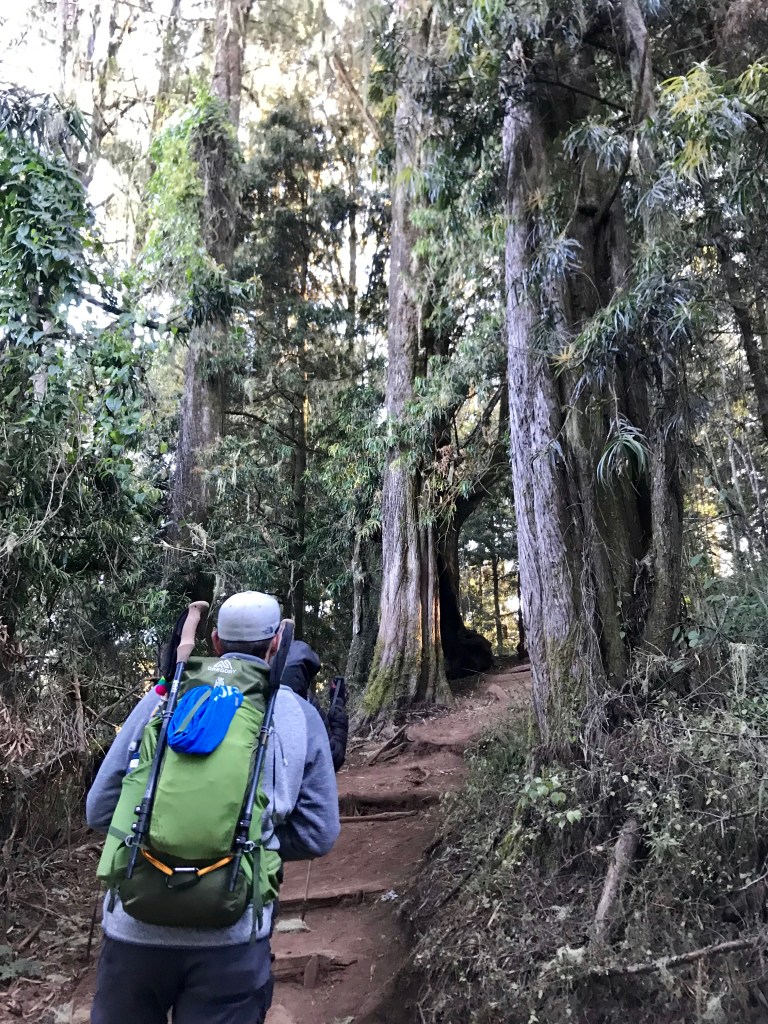
Gear Check
Again, I am assuming you have, at minimum, some idea of what you’re doing. I’ll avoid delving into every piece of equipment and clothing you should have to hike successfully. Instead, I want to point out some items I brought that helped, and items I wish I had.

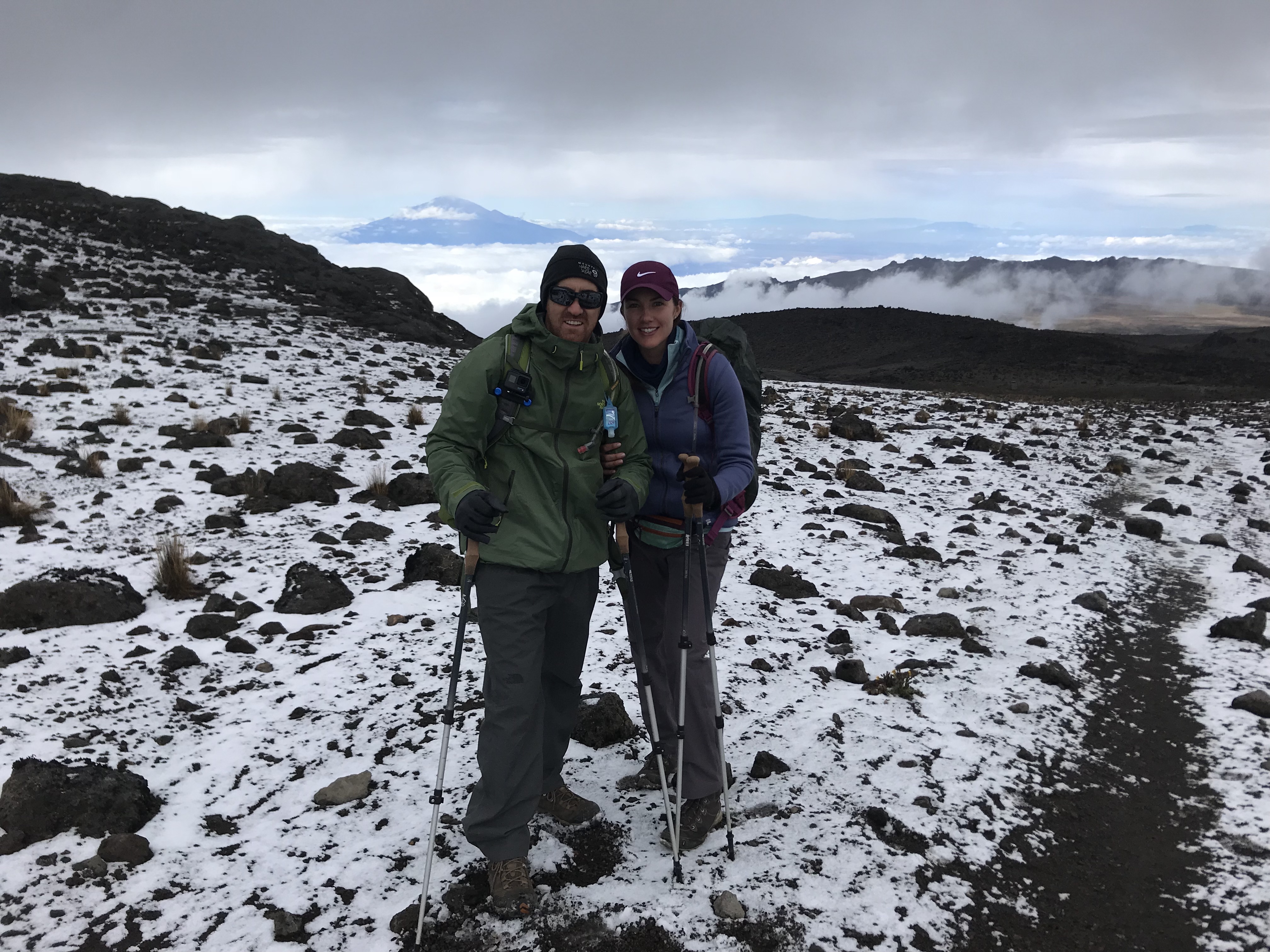
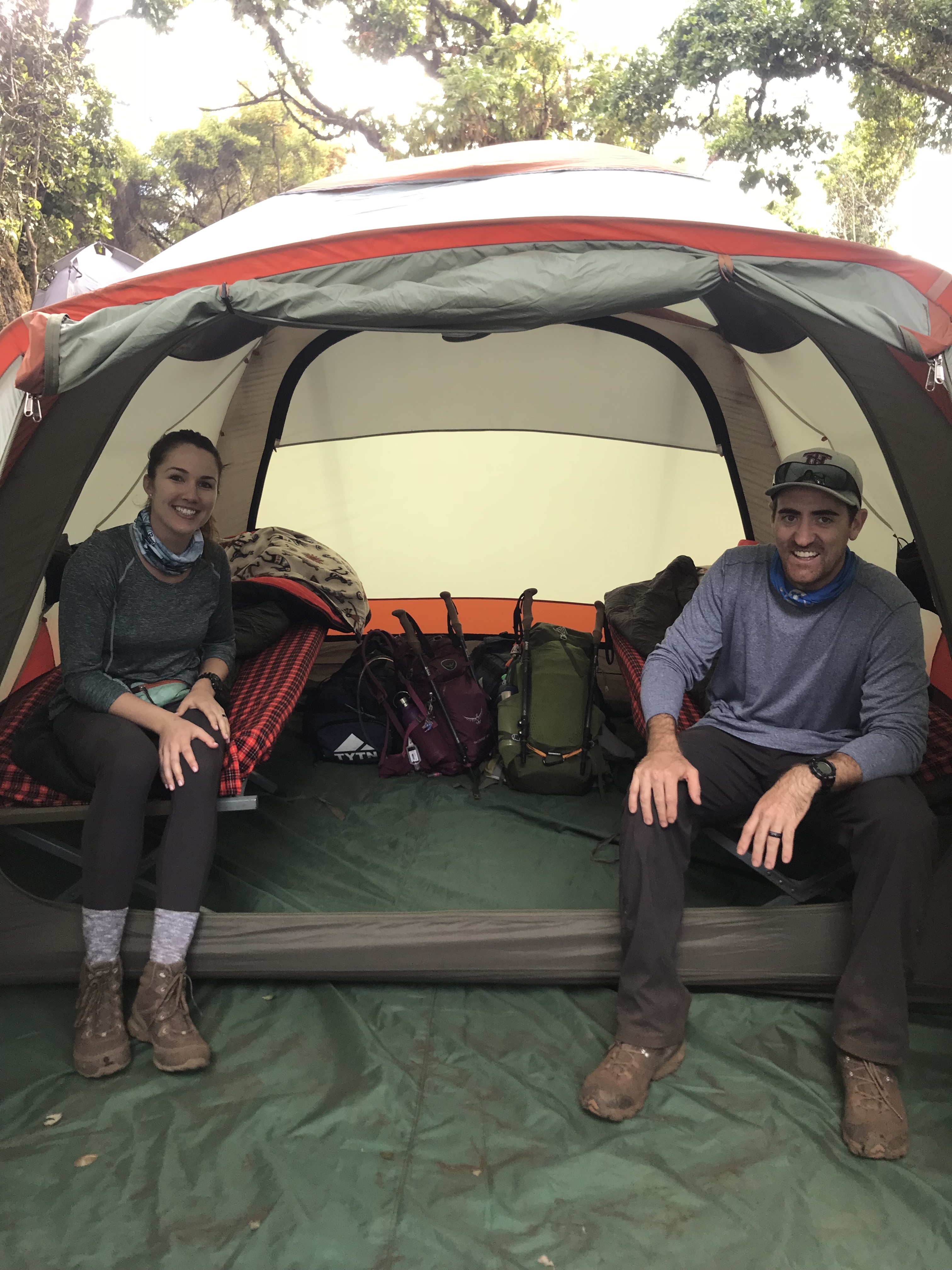
The number one thing I took from the trip up Kili was how cold it was. This was kind of a major detail that no one – anywhere – even mentioned. Yes, I understand that it would be cold at the summit and yes, I realize the white stuff on the ground in nearly every summit picture is snow. However, I didn’t expect a frost covered tent and sleeping bag on the morning of day 2. This wasn’t a fluke either. Each of the nights from then on just got progressively colder and more harsh. During the day the sun is strong and when you’re moving you warm up fast. Layering and versatility is the key. Find clothing that can be used as mid’s and outer’s. My Patagonia “Better Sweater” Front Zip was perfect for a mid-layer when it was real cold and an outer layer during the day hiking, assuming it wasn’t pouring – or snowing. Also consider packable down jackets. You’ll want another layer on hand at all times for when the sun tucks away. The Mountain Hardwear “Ghost Whisperer” is solid piece, but expensive. My go-to was the North Face “Thermoball Hooded” jacket.
Now I hate to keep harping on this cold thing, but I am being really serious when I say how unexpected and unpleasant it was. Imagine changing clothes, including underwear, so you are basically naked, standing in an uninsulated tent with an air temperature in the high 20’s. It’s brutal, especially as a man. So with that said, my first piece of equipment I wish we had was a small tent heater. If I were doing it all over again I would have figured out a way to ship something like a Mr. Heater Buddy before hand. It would have likely taken another porter to hump the unit and propane up and down, but completely worth it. Keep in mind that nothing dries well in the cold high altitude environment. Having a heat source would also help dry out your damp boots, gloves, and rain gear.
Other small things that came in handy (which no one tells you about):
- Sleeping bag liner. We had a light duty liner that not only added another layer of insulation for the cold night but also acted like a clean barrier between us that the tour company supplied sleeping bag. No offense, but who knows how often those things actually get cleaned.
- Camp towel and soap. You aren’t going to be able to take traditional showers while trekking. However, most tour companies will give you either a bag of hot water with the small hose or a bowl of hot water. The quick drying camp towel and soap made us feel at least fake clean.
- Power banks. Obviously there isn’t any electricity on the mountain. We purchased 3 big power banks from Amazon so we could keep GoPro, tablets, cameras, and phones charged.
- Tablet with downloaded movies. Believe it or not there is a lot of down time. If you are making good times camp to camp you’ll spend a few hours each day just laying in the tent. They recommend you don’t sleep during the day for fear that you won’t sleep at night. A tablet with some movies was a life saver.
Now for the Heartbreak
Somewhere between the gear we should have brought and the wellness that we should have checked is an item that we wish we had – antibiotics. Here is the story of how our climb up Kili abruptly ended.
It was day 6 and we had been doing phenomenally well. We were making great time to the camps, we had solid pace, we had absolutely no sign of altitude sickness, the stage was set for a successful summit that night. With the exception of the cold and crappy weather, and a few G.I. issues we really had nothing to complain about.
Getting into Barafu Camp, the last stop before summit attempt (aka Base Camp), my wife started to complain that she was feeling off. At the time I figured that the altitude was finally getting to her so I recommended she head to the tent and lay down for a little while. I continued to fiddle with my pack and gear, chatting with the porters and guides. After about 30 minutes I went into check on her and she was under both sleeping bags, in full cold gear, shaking like a leaf. I knew what that meant – fever. Fever meant infection. So I quickly took out my first aid bag where I keep a thermometer. I placed it under her tongue, waited a minute, heard the beep and saw 104 on the screen. Not good.
I shoveled a handful of Advil down her throat and went to get the head guide explaining what was going on. He went over the options and briefed his office via satellite phone. The timing couldn’t not have been worse. That night we were supposed to summit, rescue helicopters only ran for another hour (they don’t fly after sunset), and if her condition got worse in the middle of the night it was 10+ hours until we could get to an ambulance accessible road.
We were forced to make a decision right then and there. There was no way my wife was making the final push to the summit in her condition, and there was no way I was leaving her behind while I went up (even though she offered). So basically we knew our time on Kilimanjaro was going to end right there at base camp. By that point the fever had gone down to 101 and I made the decision to stay put overnight and begin heading down in the morning.
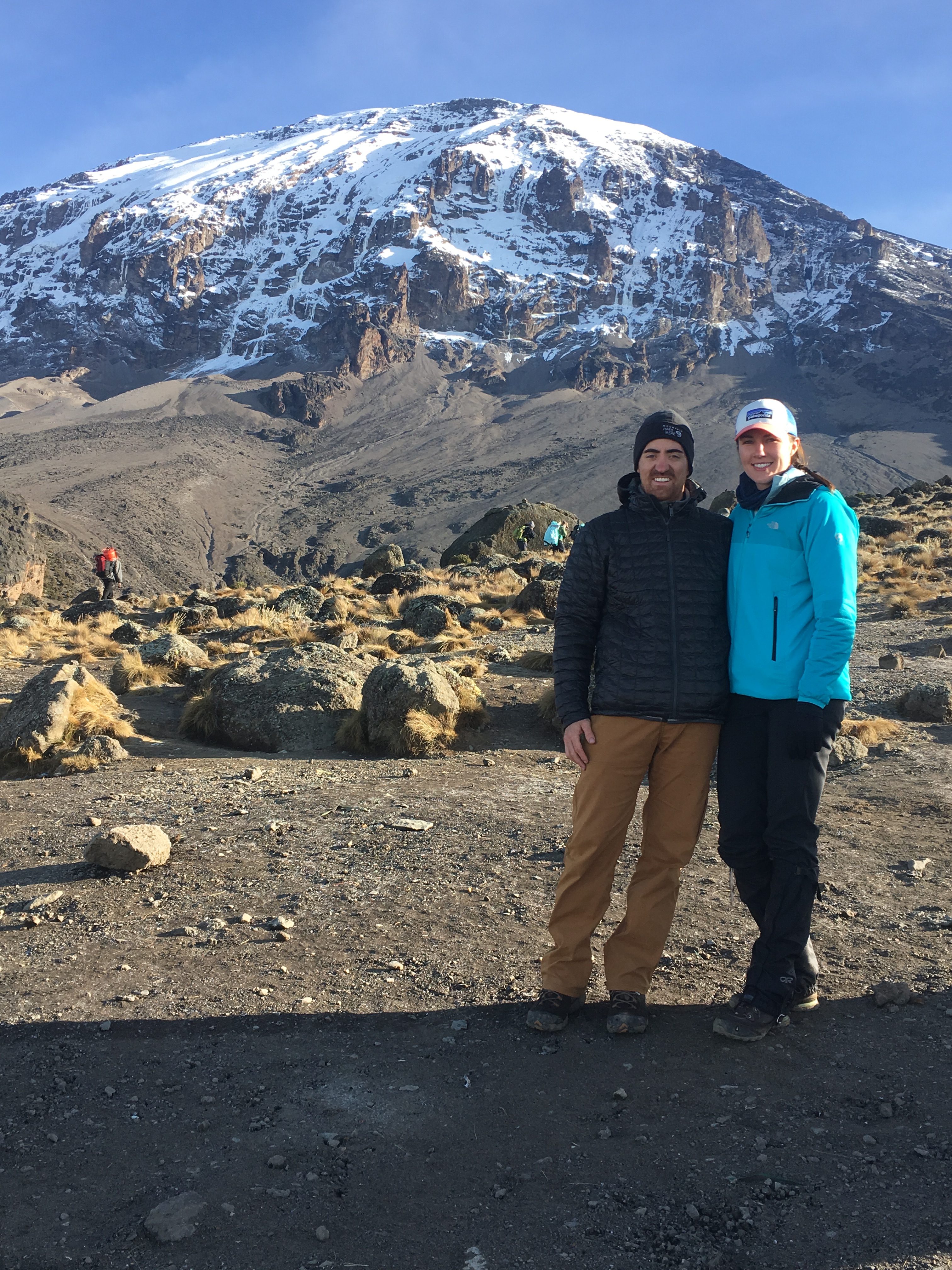
Writing this, and reading it, it may sound like a no brainer to skip the summit with a loved ones health on line, but honestly the decision was hard. We worked our ass off for 6 days. We trekked through torrential rains, blinding snow, mud, ice, skin searing sun, up and down thousands of feet – all with a smile on our face. Never mind that we had been training for months and spent a HUGE chunk of our savings getting there. It hurt having to throw in the towel.
My wife struggled but made it through the night. I constantly was up checking her temperature and giving her more Advil. The sun coming up over the horizon was a welcomed relief that morning had arrived. The trek down to an accessible road took 7 hours – my trooper of a wife slogged through it one step at a time, never once needing to be carried or assisted. She never even complained. A car met us at the bottom of a dirt road and was instructed to take us to a hospital in Arusha, 2 hours away.
We didn’t make the summit of Kilimanjaro, but we did get to experience a Tanzanian hospital. I promise it’s not on anyones bucket list, but I guess it can be considered an experience. The long story short is after meeting with doctors and running several tests my wife somehow ended up with a nasty bacterial infection. He was even nice enough to tell me I made the right decision to get off the mountain since she would have gotten worse without proper antibiotics.
What Now
I will be honest, not making it to the top of that mountain has been haunting to me. I think about it all the time. I obsess over it. I will sometimes randomly just say, “fuck” under my breath and when someone asks “what was that” I will honestly say – I am just thinking about how I didn’t make it to the top of Kili. Look, as much as I know I made the right decision and believe it or not I am pretty thankful my wife is still alive, I just so badly wanted to make it – we both did. With the direction and speed life moves, you just don’t know when the opportunity will be there to have the money and time to try again. For now, I guess I got a story out of it. Below is a little video I put together quickly documenting the trip day by day. Enjoy!


Wow, what an incredible story! I was really intrigued by the title… but I had no idea what you were getting at. I’m glad your wife is okay, but that’s quite the tale. Hopefully you’ll make it make someday to conquer the mountain!
LikeLiked by 1 person